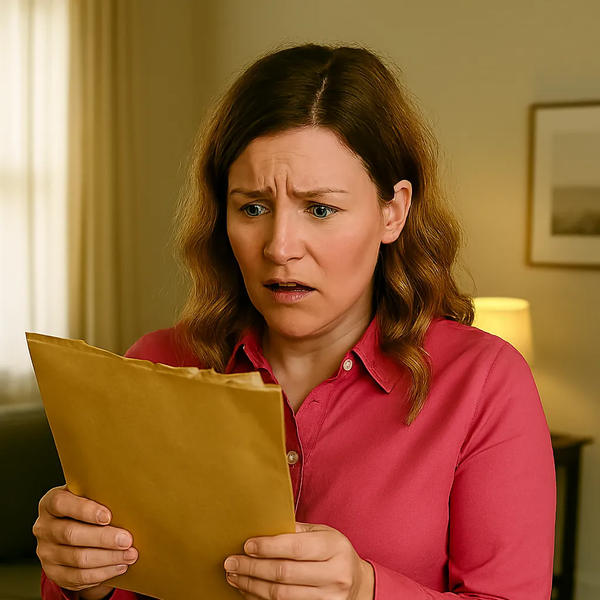
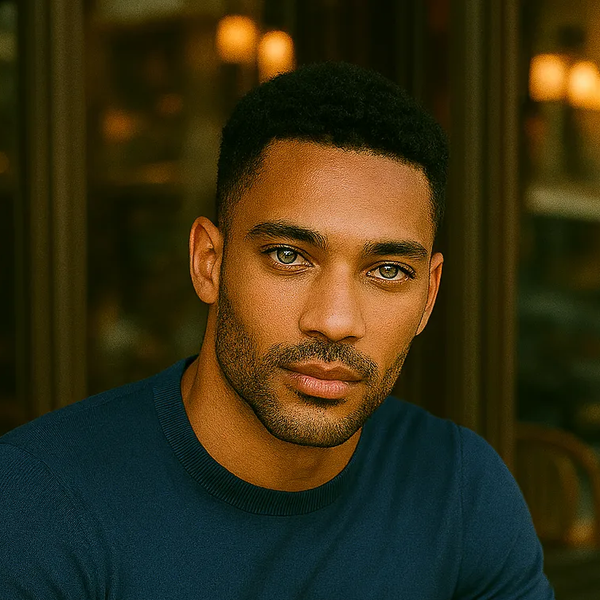
Am I the bad guy, Uncle Gary?
"Well, Steve was so kind to me when my child died." I immediately lose my mind! Uncle Gary, I did not argue about Steve's perceived kindness. I let it go, but it really bothers me that people would think him a good guy.


I have a question for you, Uncle Gary,
My brother treated my mother, father, and sister with the worst malice that would even make Trump look kind. When people I talk to say, "Well, Steve was so kind to me when my child died." I immediately lose my mind! Uncle Gary, I did not argue about Steve's perceived kindness. I let it go, but it really bothers me that people would think him a good guy.
Am I the bad guy, Uncle Gary?
Dear, Am I the bad guy?
No, you are not the bad guy. What you're feeling is one of the most quietly painful experiences a person can carry, watching someone who hurt you and your family deeply get celebrated by the outside world. And you handled it with real grace by not arguing, by letting it go in the moment. That takes genuine strength, and don't underestimate that.
Here's the thing, though. Those people aren't wrong about "their" Steve. He really was kind to them in their grief. And you're not wrong about your Steve either. He really did cause your family deep pain. Both versions of him are real, and that's the maddening part. The tragedy is that the people closest to him, the ones who deserved his kindness most, got his worst instead. That's not just unfair. It's a kind of betrayal that cuts to the bone.
That gap between public Steve and private Steve is what's eating at you. The loneliness of knowing the full truth about someone while the world only sees the highlight reel, that's its own quiet grief, layered on top of everything else he already put your family through.
You don't need to convince anyone. You don't need their version of Steve to be wrong for your pain to be real and valid. Your truth doesn't require a vote or a show of hands.
The fact that this still bothers you, that you feel it so deeply, isn't you being the bad guy. That's you being someone who loves your family fiercely and feels the weight of what was done to them. Hold onto that love. It says everything about who you are, and nothing about who he is.
I'm going to offer something that sounds like a cliché but carries real truth: hurt people hurt people. It's worth considering that Steve's cruelty toward your family may not have come from a place of pure malice, but from wounds he never had the courage, tools, or self-awareness to face. People who haven't done the hard work of understanding their own pain have a terrible habit of offloading it onto the people closest to them, the ones they know will still be there, the ones who represent home, history, and everything unresolved.
That doesn't excuse what he did. Not even close. Your family's pain is real, and it deserves better. But understanding the possible root of his behavior might loosen its grip on you just a little, not for his sake, but for yours.
The saddest part is that Steve may have spent his whole life performing kindness for strangers while reserving his darkest self for the people who mattered most. That's not your family's failure. That's his, and it speaks to a man still lost inside himself.
You can hold compassion for a wounded person and still refuse to excuse what they did with their wounds. Those two things can live in the same heart at the same time. Yours clearly does. That's what life is sometimes. Duality.
With love, Uncle Gary
Gary Domasin is a contributing writer for SoCalMag.com, where AskUncleGary.com offers clarity without clichés. He has also been an adjunct faculty member at USC’s School of Dramatic Arts since 2016. Thank you for being here. Now what’s on your mind? DM Uncle Gary @ BlueSky / Instagram / Facebook / YouTube / TikTok / Threads